



Knowing how to tell when a tree is dead is an essential skill for any gardener or homeowner. A dying or dead tree doesn’t just affect the beauty of your landscape; it can also pose serious safety risks. Falling branches or a collapsing trunk can damage property or injure people, and decaying trees often draw diseases and pests that could infect surrounding healthy plants.
At first glance, it’s not always easy to tell whether a tree is truly dead or just going through a natural dormant phase. Trees often show subtle signs of decline long before they die completely. how do you know when a tree is dead In this guide, you’ll learn how to recognize the warning signs, perform simple tests to confirm whether a tree is still alive, and understand what steps to take next if your tree has reached the end of its life.
Why It’s Important to Identify a Dead Tree
Recognizing a dead tree early is crucial for maintaining both the safety and health of your outdoor space. While a dead tree may seem harmless at first, it can quickly become a serious hazard or a breeding ground for pests and diseases. Here are the main reasons why timely identification matters:
Safety Concerns
Dead trees lose their structural strength over time. Their branches become brittle and can fall unexpectedly, especially during storms or strong winds. In severe cases, the entire tree may topple, How to Trim a Tree That Is Too Tall endangering neighboring buildings, vehicles, people, and pets. Removing a dead tree before it collapses can prevent accidents and costly property damage.
Preventing Pest Infestations and Disease Spread
Dead wood attracts insects such as termites, carpenter ants, and beetles, Tree bark peeling cracks as well as fungi and molds. These pests not only break down the tree faster but can also spread to healthy plants or even invade your home. Identifying and removing dead trees promptly helps protect the rest of your garden and prevents the spread of infestations.
Maintaining Landscape Aesthetics
A dead or decaying tree can stand out as an eyesore in an otherwise vibrant yard. Its leafless branches and peeling bark detract from the overall appearance of your garden. Replacing a dead tree with a new, thriving one restores beauty and balance to your landscape.
Protecting Nearby Trees and Plants

A dead tree can harbor diseases that spread through soil or air to nearby vegetation. Detecting the problem early allows you to remove the source of infection and take preventive measures, preserving the health of the entire ecosystem.
Saving Time and Money
The longer a Dead tree signs remains in place, the more dangerous and expensive it becomes to remove. Early identification helps you act before it decays too deeply or damages surrounding structures, saving both effort and money in the long run.
In short, identifying a dead tree isn’t just about appearances; it’s about safety, prevention, and the long-term health of your garden environment.
Common Signs a Tree Might Be Dead
Not all trees die suddenly; most exhibit gradual signs of decline long before they die completely. Recognizing these symptoms early can help you take action, whether that means trying to revive the tree or safely removing it. Below are the most common indicators that your tree might be dead:
During the growing season, there are no leaves or buds.
If your tree remains bare while others around it are full of leaves, How to Prune a Hydrangea in Spring for Healthy Growth it’s a clear red flag. During spring and summer, healthy trees produce vibrant leaves and new buds. Tree dead or dormant test that fails to leaf out, or has sparse foliage limited to specific branches, may already be dead or dying.
Brittle or Cracked Bark
The bark of a healthy tree is usually firm and slightly moist on the underside. When a tree begins to die, its bark starts to peel, crack, or fall off in patches, revealing dry, brittle wood beneath. Dead tree branches brittle If large sections of bark are missing and no new bark is forming, it’s a strong sign that the tree is no longer living.
Fungi or Mushrooms Growing on the Roots or Trunk
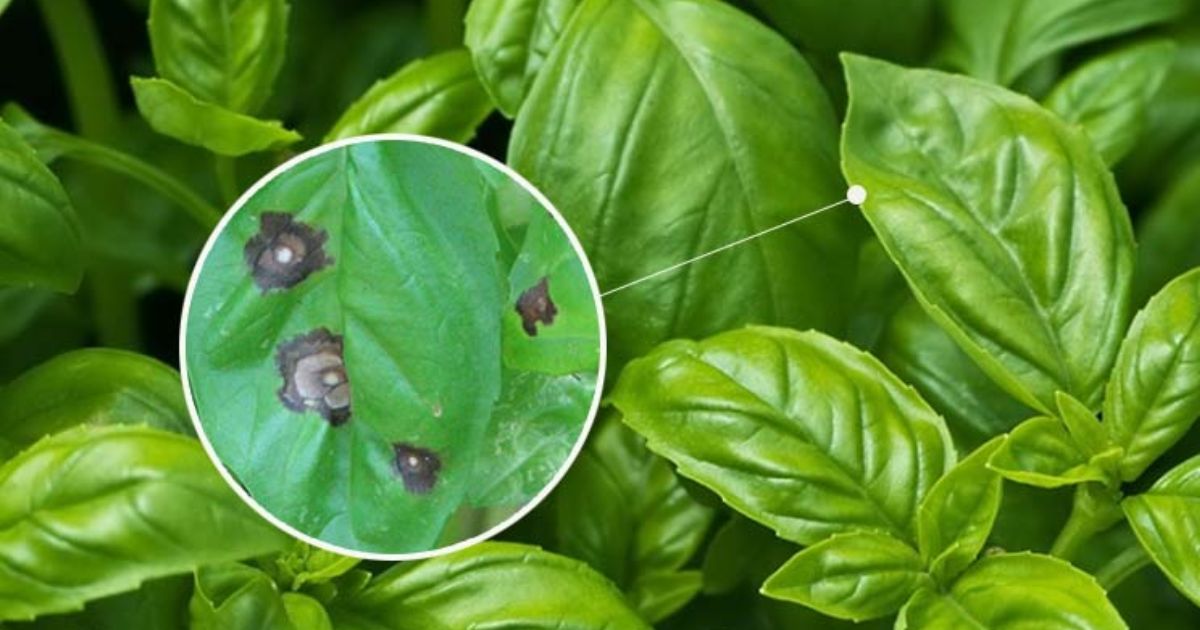
Fungal growth, such as mushrooms or conks, often indicates internal decay. These fungi feed on decomposing wood, which means the interior of the tree is likely rotting. The more extensive the fungal growth, the greater the likelihood that the tree is dead or structurally unsound.
Discolored or Wilting Leaves (Out of Season)
If the tree’s leaves turn brown, yellow, or fall off long before autumn, something is wrong. Early leaf loss or discoloration can suggest disease, dehydration, or dying roots. When combined with other symptoms, such as dry bark or dead branches, it’s a clear indicator that the tree’s life cycle is nearing its end.
Hollow or Soft Wood
Tap on the trunk with a hammer or stick. If it sounds hollow or feels soft when pressed, the tree may be decaying from the inside. Healthy wood is solid and firm, How to Identify Fungi That Grows on Trees while dead or dying wood often feels spongy or crumbly to the touch.
Dead or Falling Branches
Dead branches are one of the most visible warning signs. They break easily, lack leaves or buds, and often fall off on their own. If a large portion of the tree’s crown (upper branches) is dead, it typically indicates that the tree can no longer transport nutrients effectively.
Absence of New Growth
Healthy trees produce new shoots and buds each year. A lack of new growth over multiple seasons indicates that the tree’s life processes have stopped, and it’s likely dead.
In summary, a combination of these symptoms, bare branches, brittle bark, fungal growth, and no new shoots, usually confirms that a tree is no longer alive.
How to Test If a Tree Is Truly Dead
Sometimes, a tree may appear lifeless, but it isn’t actually dead; it could simply be under stress or in a dormant phase. Before making the decision to remove it, Fungal growth on tree base you can perform a few simple tests to find out whether your tree is truly dead or just struggling.
The Scratch Test
One of the easiest and most reliable ways to test if a tree is alive is the scratch test.
- Gently scratch away a small section of bark on a branch or twig using your fingernail or a knife.
- Look underneath: if you see a layer of green tissue (cambium), the tree is still alive.
- If the layer beneath is brown or dry, that part of the branch is dead.
- Try this test on several branches, What’s Wrong With My Plant as some parts of the tree might still be alive even if others are not.
The Bend Test
Healthy branches are flexible, while dead ones are brittle.
- Pick a small branch and try bending it gently.
- If it bends easily without breaking, it still has moisture and life inside.
- If it snaps cleanly or feels dry and stiff, that branch is likely dead.
- Conduct this test in various areas of the tree to evaluate its overall health.
Check for New Growth
During the growing season, observe the tree for new buds, leaves, or shoots.
- A live tree will show some signs of growth, even if it’s slow or limited.
- If months pass with no visible new leaves or buds, Tree snap test while nearby trees are flourishing, the tree may no longer be alive.
Examine the Roots
The condition of the roots often reveals the tree’s proper health.
- To reveal a few roots, gently dig around the base of the trunk.
- Healthy roots should appear firm, moist, and white or light-colored inside.
- Dead roots appear dry, mushy, or blackened, and may have a foul odor due to rot.
- Root damage from compacted soil or waterlogging can also cause trees to deteriorate and eventually die.
Look for Fungal Growth or Insects

If you notice mushrooms, bracket fungi, or burrowing insects on the trunk, the inner wood may already be decaying.
While some surface fungi aren’t fatal, significant or widespread growth often indicates internal rot that can’t be reversed.
Assess the Trunk and Branches
Inspect the trunk for large cracks, cavities, How to Fix Your Grass or missing bark.
If you see deep splits or hear a hollow sound when tapping the trunk, the internal wood structure is likely deteriorating.
By performing these simple tests, you can confidently determine whether your tree still has life in it or if it’s time to remove it. If you’re unsure after testing, consider consulting a certified arborist for further guidance. Dead tree root damage can assess the tree’s health and recommend whether pruning, treatment, or removal is necessary.
Difference Between a Dormant and Dead Tree
It’s easy to mistake a dormant tree for a dead one, especially during late fall or winter when leaves drop and growth slows down. However, Dormancy is a natural resting phase, while death is a complete loss of life. Understanding the difference helps you avoid removing a perfectly healthy tree that’s simply taking a seasonal break.
Understanding Dormancy
Dormancy is like hibernation for trees. During cold or dry seasons, many species slow down their growth to conserve energy and survive harsh weather conditions.
- The tree’s metabolism slows down, and it sheds its leaves to reduce water loss.
- Sap flow slows, and branches may appear lifeless, but the internal tissues remain active and healthy.
- Once spring returns, a dormant tree “wakes up,” producing new buds, leaves, and growth.
Signs of a Dormant Tree
Dormant trees may look bare, but a closer inspection reveals signs of life:
- Buds are present at the tips of branches, even if they’re small and hard.
- Branches remain flexible, bending slightly without snapping.
- Roots feel firm and moist, not dry or decayed.
- With the return of warmth, new leaves or blossoms appear on schedule.
Signs of a Dead Tree
In contrast, a dead tree shows clear and consistent signs of decline:
- No buds or new growth appear, even in the growing season.
- Bark peels off easily and doesn’t regenerate.
- Branches break easily and feel dry or hollow inside.
- The scratch test reveals brown, dry tissue beneath the bark.
- You may notice fungus, pests, or cavities in the trunk and roots.
Seasonal Timing Matters
The best time to distinguish Dormancy from death is early spring. By then, healthy trees should begin showing buds and fresh growth. If your tree remains completely bare and fails the scratch or bend tests, it’s likely dead rather than dormant.
What to Do If You’re Unsure
If the tree exhibits mixed signs, such as some green tissue but no new leaves, it may be partially alive or under stress. Give it a few weeks into the growing season, water it properly, and avoid pruning until you’re certain it’s established. When in doubt, consult an arborist to confirm the tree’s condition.
In short:
- A dormant tree is resting but alive.
- A dead tree has stopped all life processes and will not recover.
Learning to distinguish between healthy and unhealthy trees ensures that you don’t remove healthy ones unnecessarily and that you address dead ones before they become hazardous.
What to Do If Your Tree Is Dead
Once you’ve confirmed that a tree is truly dead, it’s essential to take the proper steps to ensure safety and protect the rest of your garden. A dead tree can become unstable over time, attracting pests or even collapsing without warning. Here’s what you should do if your tree has reached the end of its life:
Assess the Safety Risks
Start by examining how close the tree is to your home, power lines, fences, or pathways. If it leans heavily, has cracked limbs, or shows signs of decay at the base, it may be dangerous to leave standing. In such cases, professional removal should be done as soon as possible to avoid property damage or injury.
Remove the Stump (If Necessary)
After cutting down the tree, you’ll need to decide whether to remove the stump. Leaving a stump can cause problems:
- It may attract termites or fungi.
- It can regrow unwanted shoots.
- It often becomes an obstacle to mowing or landscaping.
- You can have it ground down professionally or use natural methods, such as Epsom salt, to accelerate the decomposition process.
Dispose of the Debris Responsibly
Once the tree is removed, don’t just leave the wood to rot. Depending on local regulations, you can:
- Chop and compost smaller branches.
- Use the wood for firewood (if it’s disease-free).
- Arrange for municipal or private pickup of larger logs and debris.
- If the tree is diseased, dispose of it effectively to stop the virus from spreading to healthy plants.
Plant a New Tree
Losing a tree can leave an empty spot in your yard and the ecosystem. Planting a new one not only restores beauty but also contributes to environmental health.
- Select a native or climate-adapted species for improved survival and resilience.
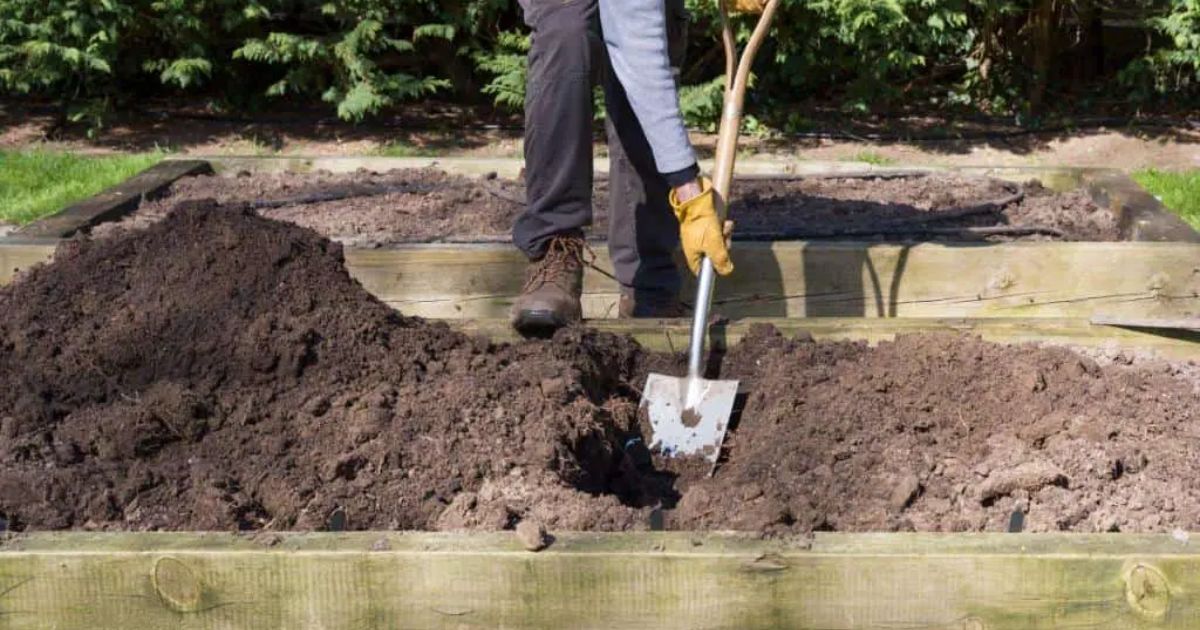
- Ensure the soil is healthy before replanting by adding compost or organic matter.
- Plant during the right season (spring or early fall for most trees).
Prevent Future Tree Death

Once you’ve handled the dead tree, focus on preventing similar issues in the future:
- Water properly to avoid over- or under-watering.
- Mulch the area around the base to control temperature and keep moisture.
- Prune regularly to remove weak or diseased branches.
- To avoid problems, keep an eye out for illnesses and pests throughout the year.
A dead tree doesn’t have to be the end of your landscape’s beauty; it can be the beginning of renewal. With careful removal, responsible disposal, and mindful replanting, you can turn the loss of one tree into an opportunity to grow a stronger, healthier garden.
Conclusion
Recognizing when a tree is dead is more than just a matter of keeping your garden neat; it’s about protecting your home, your family, and the health of your entire landscape. Trees are essential to the ecosystem. But once they stop showing signs of life, they can quickly become hazardous or spread disease to other plants.By learning to spot the early warning signs, such as brittle bark, lack of new growth, fungal growth, or hollow wood, you can take timely action. Easy tests, such as the scratch test or bend test, help confirm whether a tree is truly dead or merely dormant. If it’s confirmed dead, don’t delay removal, especially if it poses safety risks.
After removing the tree, consider replanting a healthy, native species to restore balance to your yard. Regular care, pruning, and observation will help keep your new trees thriving for years to come.Ultimately, identifying and addressing a dead tree is an act of stewardship, ensuring your outdoor space remains safe, beautiful, and vibrant with life.
FAQ
Can a tree come back to life after appearing dead?
Sometimes, a tree that looks dead may actually be dormant or under stress. Performing a scratch test or checking for new buds in spring can help confirm this. However, if the tree shows no green tissue, new growth, or flexibility in its branches for an entire growing season, it’s unlikely to recover.
How long does it take for a tree to completely die?
It depends on the cause. Trees affected by drought or pests may die within months, while others suffering from disease or root damage can take several years to entirely decline. Regular inspection helps catch early signs before it’s too late.
Should I remove a dead tree immediately?
Yes, especially if it’s close to your home, power lines, or walkways. Dead trees become unstable and can fall without warning. If it’s in an isolated area and poses no risk, you can delay removal slightly, but it’s best to act sooner rather than later.
Can dead trees attract pests or termites?
Absolutely. Dead or decaying wood is a magnet for termites, carpenter ants, beetles, and fungi. These pests have the potential to penetrate your house or spread to neighboring healthy trees. So removing dead trees promptly is essential.
What are the signs of a dying, not dead tree?
A dying tree may still display a few green leaves or buds, but it will exhibit thinning foliage, discolored leaves, and dead branches. Early intervention, such as proper watering, pruning, or pest control, can save it before it dies completely.