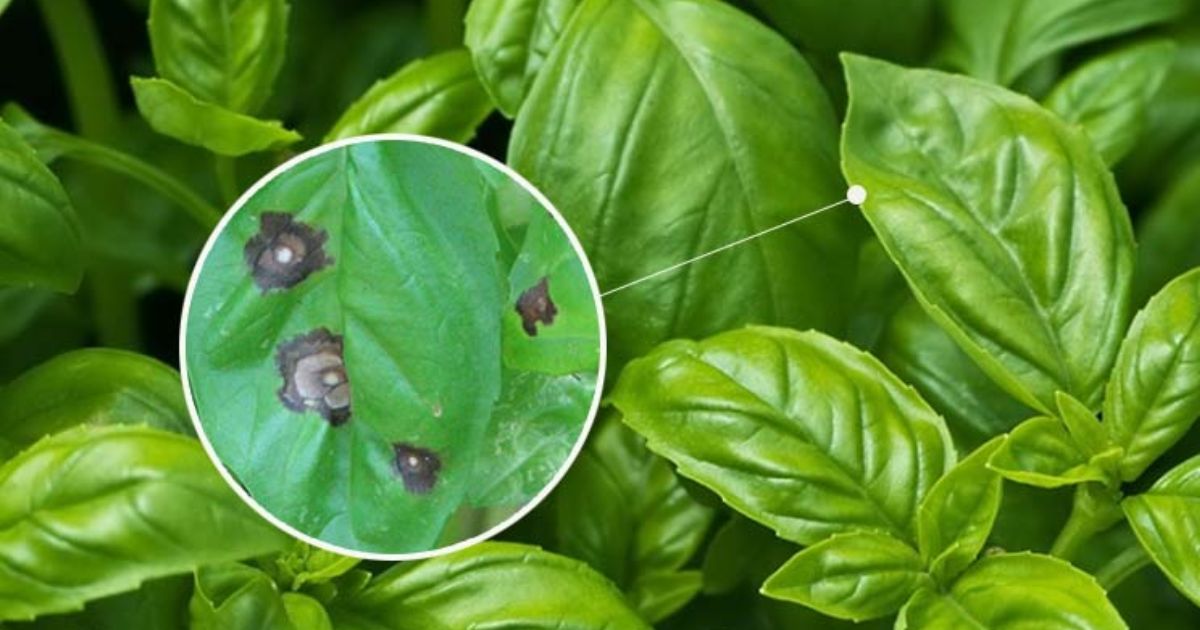




Healthy plant growth depends on a steady supply of essential macronutrients such as nitrogen (N), phosphorus (P), potassium (K), calcium (Ca), magnesium (Mg), and sulfur (S). These nutrients are essential for root formation, photosynthesis, flower and fruit production, and overall plant vigour. When any of these macronutrients are lacking, plants begin to show visible signs of stress, such as yellowing leaves, stunted growth, or poor yields.
Macronutrient deficiencies are a common problem for gardeners, farmers, and plant enthusiasts alike. They may happen for several causes. , from poor soil conditions to improper watering practices. Understanding the root causes behind these deficiencies is the first step toward maintaining healthy, nutrient-rich soil and thriving plants.In this blog, we’ll explore the 6 most common causes of macronutrient deficiency in plants and how you can identify and prevent them to ensure optimal plant growth.
Poor Soil Quality
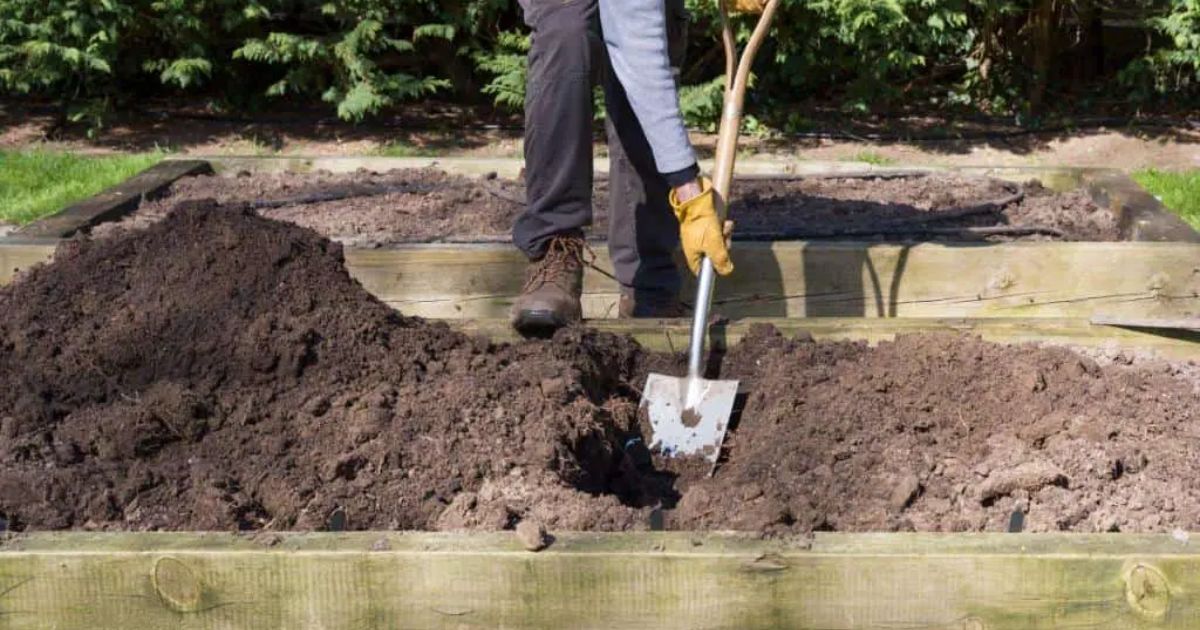
One of the most common causes of macronutrient deficiency in plants is poor soil quality. Soil serves as the main reservoir for essential nutrients like nitrogen, phosphorus, and potassium. When the soil is depleted, compacted, or low in organic matter, it fails to provide plants with the nutrients they need for healthy growth.Over time, continuous cropping without proper fertilization or organic amendments can strip the soil of its natural fertility. Types of Organic Mulch and Their Benefits Similarly, sandy soils tend to lose nutrients quickly because water drains too fast, washing valuable macronutrients away before plants can absorb them. On the other hand, clay-heavy soils often become compacted, reducing root growth and limiting nutrient access.

To improve poor soil quality, regularly add organic matter such as compost, manure, or leaf mulch. These substances enhance soil texture, moisture retention, and microbial activity, while also providing vital macronutrients. Testing the soil every few years can also be beneficial. Help you understand which nutrients are lacking and guide you in applying the right fertilizers to restore balance.
Imbalanced Soil pH
The soil’s pH significantly affects how well plants absorb vital nutrients. When the pH of the soil is either low or too acidic or alkaline (high pH), specific macronutrients become chemically unavailable to plant roots, even if those nutrients are present in the soil. This imbalance often leads to nutrient deficiencies, weak growth, and reduced yields.For example, in acidic soils (pH below 6.0), nutrients like phosphorus, calcium, and magnesium become less available. On the other hand, in alkaline soils (pH above 7.5), iron, manganese, and zinc become less readily available to plants. As a result, plants may display yellowing leaves, poor root development, or stunted growth despite regular fertilization.How Banana Flowers Are an Unexpected Superfood Packed with
To maintain a balanced soil pH, it’s essential to test your soil regularly using a pH meter or soil testing kit. If the soil is too acidic, applying agricultural lime can help raise the pH. In alkaline soils, adding sulfur, peat moss, or other organic matter can gradually lower the pH. Keeping soil pH within the optimal range of 6.0 to 7.0 ensures that plants can effectively absorb macronutrients and grow healthily.
Excessive Watering or Poor Drainage
Too much water can be just as harmful to plants as too little. Excessive watering or poor drainage is a significant cause of macronutrient deficiency because it affects how nutrients move and are absorbed in the soil. When soil remains constantly wet, excess water leaches vital nutrients such as nitrogen, potassium, and magnesium away from the root zone. This means that even if your soil initially contained enough nutrients, they can easily be washed out before the plants can use them.Waterlogged conditions also lead to oxygen deprivation in the root zone. nutrient deficiency diseases in plants For healthy growth and nutrition absorption, roots require oxygen. Oxygen levels decrease when water fills soil pores. And roots become weak or begin to rot. 5 Causes of Orange Spots on Pear Tree Leaves As a result, nutrient uptake slows or stops, leading to visible signs of deficiency, such as yellowing leaves, poor growth, and wilting.
To prevent this, ensure your soil drains well by loosening compacted areas and mixing in organic matter, such as compost or coco coir. Don’t water your plants until the top inch of soil is completely dry. For potted plants, always use containers with drainage holes. By maintaining proper moisture levels, you’ll help your plants retain essential macronutrients and develop stronger, healthier root systems.
Overuse of Chemical Fertilisers
While fertilisers are essential for replenishing soil nutrients, overusing chemical fertilisers can do more harm than good. Applying too much fertilizer or using it too frequently can disrupt the soil’s natural nutrient balance, leading to macronutrient deficiencies over time. For instance, excessive nitrogen application can interfere with the uptake of other essential nutrients, such as potassium, calcium, and magnesium.High concentrations of chemical fertilizers can also increase soil salinity, making it harder for plants to absorb water and nutrients. This salt buildup can damage delicate root systems, reduce microbial activity, and eventually degrade overall soil health. Over time, the soil becomes compacted and less fertile, even after heavy fertilization.

To avoid these issues, use fertilizers judiciously and based on soil test results. Alternate chemical fertilisers with organic amendments such as compost, manure, or bio-fertilisers, which provide nutrients more slowly and improve soil structure. Always follow the recommended dosage on fertilizer labels and water thoroughly after application to prevent salt accumulation. Balanced fertilization not only nourishes your plants but also maintains long-term soil fertility and sustainability.
Soil Erosion
Soil erosion is another major cause of macronutrient deficiency in plants. It occurs when the top layer of soil, which contains the most organic material and essential nutrients, is washed or blown away by wind and rain. This nutrient-rich topsoil is crucial for plant growth, as it holds most of the nitrogen, phosphorus, potassium, and other macronutrients that plants rely on.When erosion strips away this fertile layer, plants are left growing in nutrient-poor subsoil, which lacks both nutrients and the ability to retain water effectively. Over time, this leads to visible symptoms of nutrient deficiency, such as slow growth, pale leaves, and lower yields even when fertilizers are applied.
Common causes of soil erosion include heavy rainfall, improper tilling, deforestation, and lack of ground cover. To prevent erosion, farmers and gardeners can use soil conservation practices such as mulching, planting cover crops, building terraces on slopes, and minimizing soil disturbance. How to Grow Hydrangeas in Your Garden: Essential Planting, Pruning, These techniques help protect the topsoil, retain essential macronutrients, and promote long-term soil health.By reducing erosion and maintaining healthy topsoil, you ensure your plants have a stable nutrient supply for consistent, vigorous growth.
Poor Root Health
Healthy roots are the foundation of nutrient uptake in plants. When the root system is weak, damaged, or diseased, plants cannot efficiently absorb essential macronutrients such as nitrogen, phosphorus, and potassium, even if those nutrients are present in the soil. Poor root health often leads to visible symptoms of deficiency, like weak stems, limited growth, and yellowing leaves. Several factors can cause poor root development, including soil compaction, What is Biochar Used For root rot, pest infestations, and overwatering. Compacted soil restricts root expansion and limits oxygen flow, while waterlogged conditions encourage fungal diseases that damage root tissues. Additionally, soil-dwelling pests such as nematodes or grubs can chew on roots, further reducing the plant’s ability to absorb nutrients and water.

To maintain healthy roots, ensure your soil is well-aerated and drains properly. Avoid overwatering and use organic matter, such as compost, to improve soil structure. Practising crop rotation and using disease-resistant plant varieties can also reduce the risk of root-related problems. Strong, healthy roots allow plants to efficiently take up macronutrients, resulting in vigorous growth and better overall plant health.
Conclusion
Macronutrient deficiencies in plants are often symptoms of deeper soil and environmental problems rather than a simple lack of fertilizer. Factors such as poor soil quality, imbalanced pH, overwatering, excessive fertilizer use, soil erosion, and poor root health disrupt the natural nutrient balance on which plants depend. Recognizing these underlying causes helps you take preventive steps before deficiencies become severe.
Maintaining healthy, well-balanced soil is the key to preventing most nutrient problems. Regular soil testing, proper watering practices, and the use of organic amendments such as compost or mulch can help replenish lost nutrients and improve soil structure. Additionally, practising sustainable gardening techniques, such as avoiding overfertilization and protecting the soil from erosion, ensures long-term fertility and healthier plant growth. yellowing of leaves is due to deficiency of By understanding and addressing these common causes of macronutrient deficiency, you can create an environment where your plants thrive naturally, producing lush foliage, strong roots, and abundant harvests year after year.
FAQ
What are the main macronutrients that plants need?
Plants primarily require six macronutrients: Nitrogen (N), Phosphorus (P), Potassium (K), Calcium (Ca), Magnesium (Mg), and Sulfur (S). These nutrients support growth, root development, flowering, and overall plant health.
How can I tell if my plant has a macronutrient deficiency?
Common signs include yellowing leaves, stunted growth, poor flowering or fruiting, and weak stems. Each nutrient deficiency has specific symptoms; for example, Older leaves frequently turn yellow due to a nitrogen shortage.
How often should I test my soil for nutrients?
It’s recommended to test soil once a year or before planting major crops. Regular soil testing helps you apply the right amount and type of fertilizers, preventing deficiencies.
Can organic fertilizers fix macronutrient deficiencies?
Yes, organic fertilizers like compost, manure, and bone meal slowly release nutrients into the soil, improve soil structure, and support beneficial microbes, helping prevent and correct deficiencies.
How does soil pH affect nutrient availability?
Soil pH influences whether nutrients are chemically available to plants. Acidic soils can lock up phosphorus and calcium, while alkaline soils can make iron and magnesium unavailable. Maintaining a pH of 6.0–7.0 is ideal for most plants.