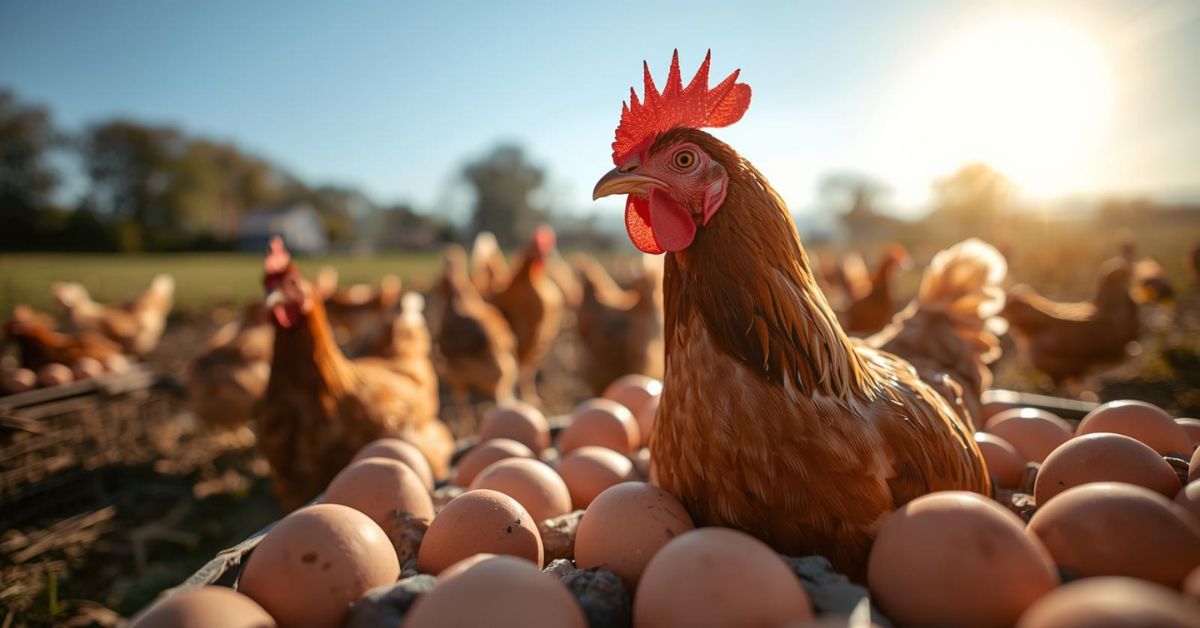



Leghorn chicken farming is one of the most profitable ventures in poultry farming, especially for those focused on high egg production. Known for their exceptional laying ability, adaptability, and low maintenance requirements, Leghorn chickens are a top choice for both beginners and experienced farmers.
In this complete guide, you’ll learn everything about Leghorn chicken farming, including breed characteristics, feeding, housing, egg production, and proven strategies to maximize profits.
If you’re starting a poultry farm, you can find White Leghorns for sale from trusted suppliers to ensure high egg production.
What Is a Leghorn Chicken?
The Leghorn chicken is a highly productive egg-laying breed originally from Italy. Over time, it has become one of the most popular commercial egg layers worldwide.
Leghorn chickens are especially valued for:
- High egg production
- Low feed consumption
- Strong adaptability
- Early maturity
Among them, white Leghorn chickens are the most common and widely used in commercial farming due to their superior laying performance.
Types of Leghorn Chickens
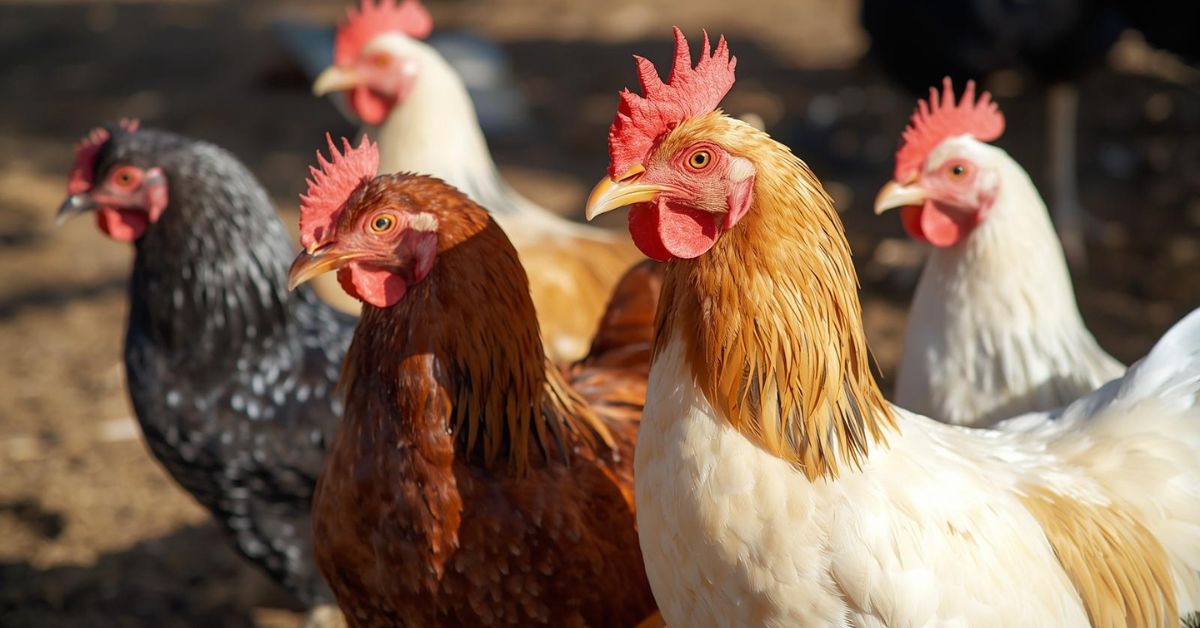
There are several varieties of leghorns, but the most popular include:
1. White Leghorn Chickens
- The most common type
- Excellent egg layers
- Produces white eggs
- Ideal for commercial farming
2. Brown Leghorns
- Slightly less productive than white Leghorns
- More colorful feathers
3. Other Varieties
- Black, buff, and silver Leghorns
- Mostly used for ornamental purposes
For farming purposes, white leg horns (commonly misspelled but referring to White Leghorns) are the best option due to their unmatched egg-laying ability.
If you’re looking to start egg production quickly, you can buy laying hens online from trusted suppliers.
Why Choose Leghorn Chicken Farming?
Choosing Leghorn chicken farming comes with several benefits:
High Egg Production
- A white Leghorn hen can lay 280–320 eggs per year
- Industry-leading performance
Early Maturity
- If you’re wondering what age do leghorns start laying, the answer is:
- Around 16–20 weeks
Low Feed Cost
- Efficient feed-to-egg conversion
Strong Adaptability
- Suitable for different climates
High Profit Potential
- Lower cost, higher output = better margins
When Do Leghorns Start Laying Eggs?
One of the most common questions is:
“When do leghorns start laying eggs?”
- Typically, Leghorn hens begin laying at 16–20 weeks of age
- Early laying is one of their biggest advantages
If you’re asking when do leghorns start laying, ensure:
- Proper nutrition
- Adequate lighting
- Stress-free environment
How Long Do Leghorn Chickens Lay Eggs?
Another important question:
“How long do leghorn chickens lay eggs?”
- Peak production: First 1–2 years
- Productive lifespan: 3–4 years
- Egg production gradually declines after year two
However, with proper care, Leghorn chickens can continue laying consistently for several years.
White Leghorn Egg Production
White Leghorn egg production is one of the highest among all chicken breeds.
Key Stats:
- 280–320 eggs per year
- Large white eggs
- Consistent laying cycle
To maximize production:
- Provide balanced feed
- Maintain clean housing
- Ensure proper lighting (14–16 hours/day)
Housing Requirements for Leghorn Chickens
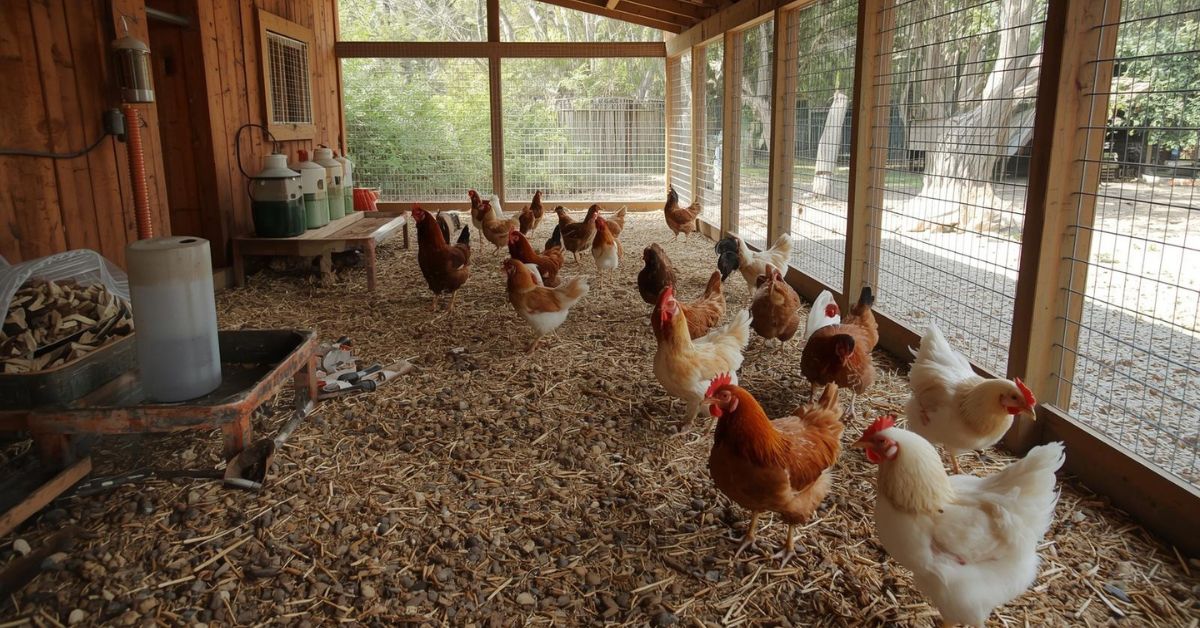
Proper housing plays a crucial role in productivity.
Space Requirements
- 2–3 sq. ft per bird (indoor)
- 8–10 sq. ft per bird (outdoor)
Ventilation
- Essential to prevent diseases
Lighting
- 14–16 hours of light daily for egg production
Nesting Boxes
- 1 box per 4–5 hens
A clean and well-ventilated coop ensures your leghorn hen stays healthy and productive.
What Do Leghorn Chickens Eat?
If you’re wondering what do leghorn chickens eat, here’s a complete feeding guide:
Starter Feed (0–6 weeks)
- High protein (20–22%)
- Supports growth of leghorn baby chicks (often searched as eghorn baby chicks)
Grower Feed (6–18 weeks)
- Moderate protein (16–18%)
Layer Feed (18+ weeks)
- High calcium content
- Supports egg production
Additional Diet Tips
- Fresh water at all times
- Supplement with:
- Greens
- Grains
- Calcium (shell grit)
A balanced diet directly impacts white leghorn egg production.
Raising Leghorn Baby Chicks
Raising leghorn baby chicks successfully is key to a profitable farm.
Brooding Requirements
- Temperature: Start at 95°F (35°C), reduce weekly
- Clean bedding
- Proper ventilation
Feeding
- High-protein starter feed
- Fresh water
Health Care
- Vaccination
- Regular monitoring
Healthy chicks grow into high-performing leghorn hens.
Care and Management Tips

To ensure maximum productivity:
1. Maintain Cleanliness
- Clean coop regularly
- Prevent disease outbreaks
2. Provide Fresh Water
- Essential for egg production
3. Monitor Health
- Watch for signs of illness
4. Control Stress
- Avoid overcrowding
- Protect from predators
5. Ensure Proper Lighting
- Boosts laying cycle
Good management practices directly affect how long leghorn chickens lay eggs and their overall performance.
Common Challenges in Leghorn Chicken Farming
Despite their advantages, Leghorn chickens can face some challenges:
1. Nervous Behavior
- More active and flighty than other breeds
2. Low Meat Yield
- Not ideal for meat production
3. Cold Sensitivity
- Require protection in colder climates
4. Predator Risk
- Active nature makes them vulnerable
Proper care can minimize these issues effectively.
Profitability of Leghorn Chicken Farming
Cost Factors
- Chicks or white Leghorns for sale
- Feed
- Housing
- Healthcare
Income Sources
- Egg sales
- Selling hens after production cycle
Profit Tips
- Buy healthy white leghorn chickens
- Optimize feed usage
- Maintain consistent egg production
With proper management, Leghorn chicken farming can be highly profitable.
Tips to Boost Egg Production and Profits

Here are proven strategies to maximize your farm’s success:
1. Choose High-Quality Birds
Start with healthy white leghorn chickens from reliable sources.
2. Optimize Nutrition
Provide balanced feed tailored to each growth stage.
3. Maintain Lighting
Ensure 14–16 hours of light daily.
4. Reduce Stress
Keep a calm and clean environment.
5. Regular Health Checks
Prevent disease before it spreads.
6. Keep Records
Track egg production and expenses.
These steps will help you get the most out of your leghorn chickens.
White Leghorns for Sale: What to Look For
When searching for White Leghorns for sale, consider:
- Healthy appearance
- Active behavior
- Clear eyes and feathers
- Vaccination records
Buying quality birds ensures better productivity and long-term profits.
Leghorn Chicken Farming for Beginners
If you’re new to poultry farming, Leghorn chickens are a great starting point.
Why They’re Beginner-Friendly:
- Easy to manage
- High egg yield
- Low maintenance
Learn the fundamentals, start small, and progressively grow your farm.
If you’re planning to improve your outdoor space, check out this how to lay down turf step by step guide for a smooth and professional finish.
Final Thoughts
Leghorn chicken farming is an excellent choice for anyone looking to enter the poultry business or increase egg production. With their high laying capacity, low feed requirements, and adaptability, Leghorn chickens offer unmatched profitability.
By understanding:
- What age do leghorns start laying
- When do leghorns start laying eggs
- How long do leghorn chickens lay eggs
- What do leghorn chickens eat
—you may create a profitable and long-lasting poultry business farming business.
Whether you’re raising white leghorn hens or managing a large-scale operation, the key to success lies in proper care, nutrition, and management.
FAQs
1. What age do Leghorns start laying eggs?
Leghorn chickens typically start laying eggs at around 16 to 20 weeks of age. Providing proper nutrition, lighting, and a stress-free environment can help ensure early and consistent egg production.
2. When do Leghorns start laying regularly?
If you’re wondering when do leghorns start laying, they usually begin at 4–5 months and quickly reach peak production within a few weeks. A healthy leghorn hen can lay almost daily during peak periods.
3. How long do Leghorn chickens lay eggs?
A common question is how long do leghorn chickens lay eggs. They lay at peak levels for the first 1–2 years, but can continue producing eggs for up to 3–4 years with proper care.
4. What do Leghorn chickens eat?
If you’re asking what do leghorn chickens eat, their diet includes:
- Starter feed (for chicks)
- Grower feed (for young birds)
- Layer feed (for laying hens)
- They also benefit from greens, grains, and calcium supplements to support strong eggshells and overall health.
5. How many eggs do White Leghorn chickens lay per year?
White leghorn egg production is very high, with a white leghorn hen laying around 280–320 eggs per year, making them one of the best egg-laying breeds.