


Clematis is one of the most beloved flowering plants in gardens worldwide, admired for its vibrant blooms and climbing beauty. However, even the healthiest clematis plants can suddenly succumb to a condition known as clematis wilt. This fungal disease can cause stems to blacken, leaves to droop, and flowers to collapse, often overnight, leaving gardeners worried about losing their prized plants.Understanding clematis wilt, how to recognize it, treat it effectively, and prevent it from recurring is essential for keeping your clematis healthy and thriving. In this guide, we’ll walk you through the common symptoms, causes, practical treatment steps, and preventive measures to ensure your clematis continues to flourish year after year.
What is Clematis Wilt?
Clematis wilt is a prevalent fungal disease that affects clematis plants, especially young or newly established plants. It is primarily caused by the fungus Ascochyta clematidina, which attacks stems and leaves, leading to sudden collapse.The disease often starts at the base of a stem or branch, where the fungus enters through wounds or damaged tissue. Once infected, the stem may turn brown or black, leaves may wilt rapidly, and flowers can drop prematurely, sometimes appearing healthy one day and completely wilted the next.
clematis wilt treatment can affect both large-flowered and small-flowered varieties, How to Learn How to Garden: A Beginner’s Guide and it spreads most easily during warm, wet conditions. While it can be alarming, prompt action and proper care can help the plant recover and prevent future infections.
Common Symptoms of Clematis Wilt
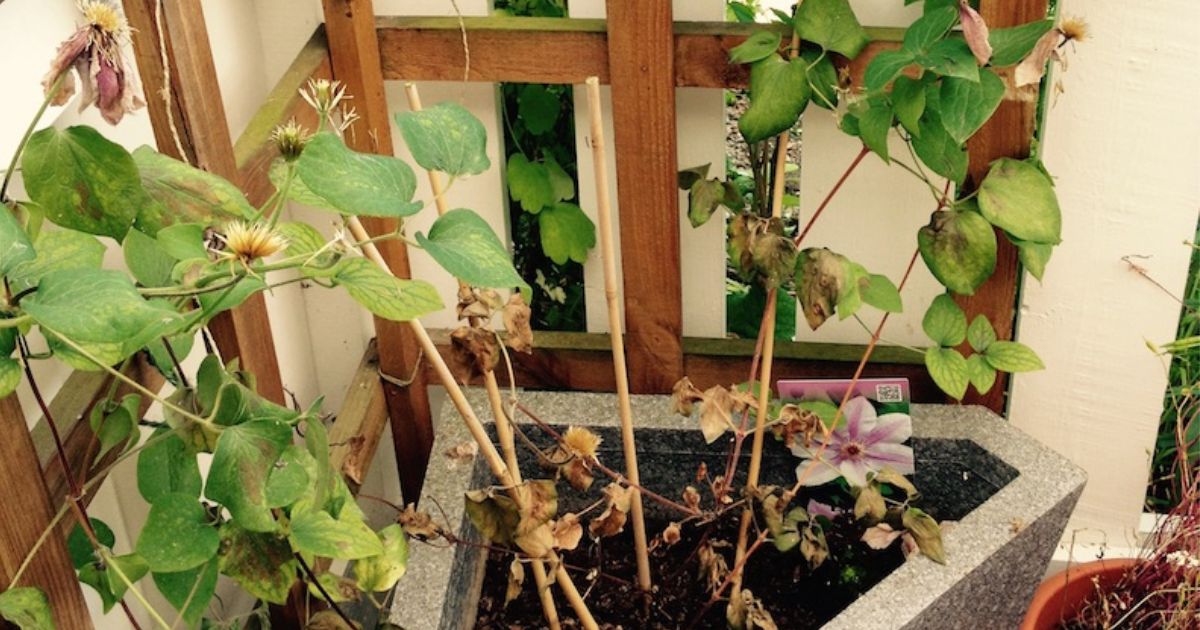
Clematis wilt can strike suddenly, making it essential for gardeners to recognize the signs early. The most common symptoms include:
Sudden Wilting of Stems and Leaves
- One or more stems may collapse overnight.
- Leaves droop as if the plant is dehydrated, even if the soil is moist.
Blackened or Brown Stems
- Infected stems often develop dark brown or black streaks near the base.
- The discoloration may rush up the stem.
Yellowing or Browning Leaves
- Leaves on affected stems may turn yellow, brown, or develop spots.
- This usually happens just before the stem collapses.
Premature Flower Drop
- Flowers may wilt and fall off before fully opening.
- Sometimes buds fail to bloom entirely.
Slow Spread on Multiple Stems
In severe cases, multiple stems can be affected, giving the appearance of a rapidly declining plant.
Recognizing these symptoms early allows for quick pruning and treatment, which can save the healthy parts of your clematis and reduce the risk of the fungus spreading further.
Causes of Clematis Wilt
Clematis wilt is primarily caused by the fungus Ascochyta clematidina, but several factors can contribute to its development and rapid spread. Understanding these causes can help gardeners prevent future infections.
Fungal Infection
- The main culprit is the Ascochyta clematidina fungus, which attacks the stems and leaves of clematis plants.
- The fungus can endure in the ground or plant debris, waiting for favorable conditions to infect new growth.
Environmental Stress
- Sudden temperature changes, prolonged wet conditions, or drought stress can weaken clematis, making it more susceptible to wilt.
- Poor drainage or waterlogged soil encourages fungal growth.
Physical Damage
- Cuts, scrapes, or broken stems provide entry points for the fungus.
- Garden tools that aren’t properly sanitized can spread the fungus from one plant to another.
Planting Factors
- Planting clematis too deeply or in areas with poor air circulation increases the risk of infection.
- Crowded conditions allow humidity to build up around stems and leaves, creating a favorable environment for fungal growth.
By identifying these causes, gardeners can take proactive measures such as improving soil drainage, spacing plants adequately, and sanitizing tools to reduce the risk of clematis wilt.
How to Treat Clematis Wilt
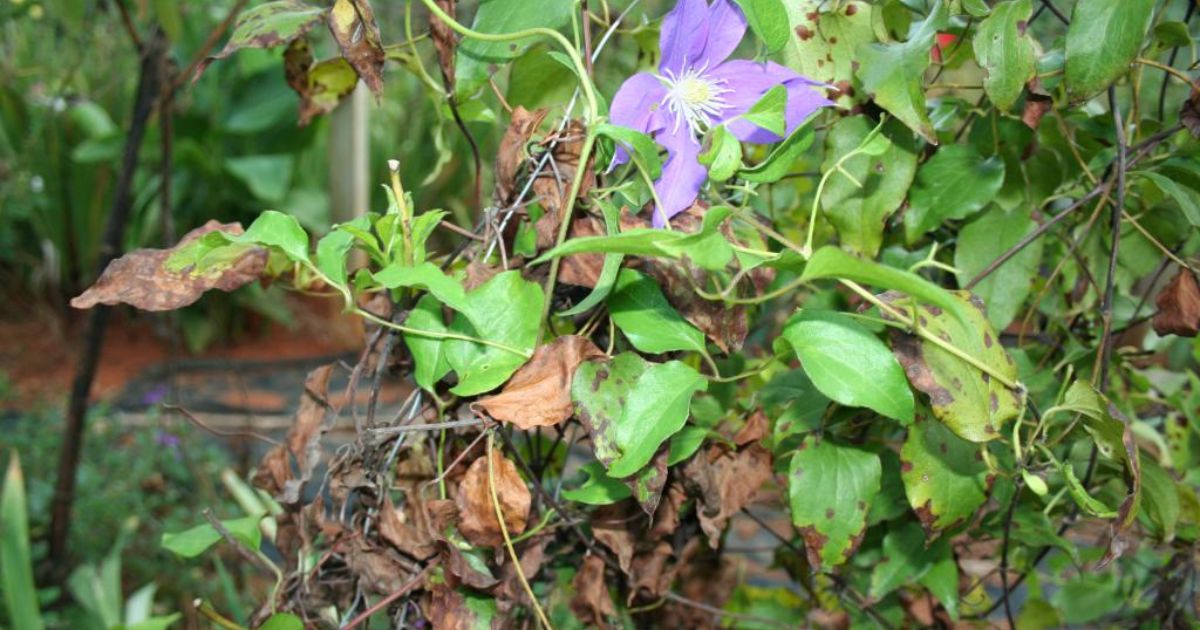
Treating clematis wilt promptly is essential. Save your plant and stop the disease from spreading. Here’s a step-by-step guide:
Prune Affected Stems
- As soon as you notice wilted or blackened stems, cut them 2–3 inches below the affected area.
- To achieve a clean cut, use clean, Why Is My Clematis Turning Brown sharp pruning shears.
- Remove all infected material from the garden — do not compost, as the fungus can survive and reinfect plants.
Disinfect Tools
- Clean your pruning tools with 70% alcohol, bleach solution, or hot soapy water after each cut.
- This stops the fungus from infecting other plants or healthy stems.
Manage Watering
- Avoid overhead Watering, as wet foliage encourages fungal growth.
- Water the base of the plant early in the morning to allow the soil to absorb moisture before nightfall.
- Ensure the soil drains well; waterlogged soil weakens the plant and promotes infection.
Apply Fungicide (If Necessary)
- Use a fungicide designated for garden or clematis if the infection is severe.
- Apply according to the manufacturer’s instructions, targeting stems and surrounding soil.
- Repeat treatments as recommended to How to Treat a Pear Tree with Orange Spots on Leaves effectively control the fungus.
Encourage New Growth
- Clematis can regrow from healthy roots even after severe wilting.
- Once new shoots appear, support them with stakes or trellises to avoid mechanical damage.
- Fertilize lightly to encourage healthy growth.
Preventing Clematis Wilt
Prevention is always better than cure when it comes to clematis wilt. By taking proactive measures, you can significantly reduce the risk of infection and keep your clematis healthy and flourishing.
Choose Resistant Varieties
- Some clematis varieties are naturally more resistant to wilt.
- Check plant labels or ask your nursery for disease-resistant types before planting.
Ensure Proper Planting and Spacing
- Plant clematis in a location with good air circulation to reduce humidity around stems and leaves.
- Avoid overcrowding, as tight spacing creates a favorable environment for fungal growth.
Improve Soil and Drainage
- Clematis prefers well-draining soil; Common Pictures of Maple Tree Diseases avoid waterlogged areas.
- Soil structure improves when organic matter, such as compost, is added. And reduces stress on the plant.
Mulch to Protect Roots
- Apply a 2–3-inch layer of mulch to keep roots cool and moist.
- Keep mulch slightly away from stems to prevent fungal growth at the base.
Regular Pruning and Inspection
- Remove dead or damaged stems regularly.
- Inspect plants frequently, especially during warm, wet periods when wilt is most likely to develop.
Sanitize Tools
- Always clean pruning shears and tools before and after use.
- This prevents the fungus from spreading between plants.
You can reduce your risk of developing clematis by taking these precautions. Wilt and ensure your plants remain vigorous and bloom beautifully year after year.
Caring for Clematis After Wilt
After your clematis has wilted, proper care is essential to help it recover and thrive again. Here’s how you can support your plant:
Encourage New Growth
- Clematis plants often regrow from the base even if the above-ground stems were affected.
- Once new shoots appear, support them with stakes or trellises to guide healthy growth and prevent mechanical damage.
Fertilize Appropriately
- Apply a balanced, slow-release fertilizer in spring to promote firm root and stem development.
- Avoid over-fertilizing, as excessive nitrogen can encourage soft growth that is more vulnerable to fungal diseases.
Maintain Proper Watering
- Water the plant at the base, keeping soil consistently moist but well-drained.
- Avoid wetting leaves to reduce the chance of future fungal infections.
Mulch and Soil Care
- To protect the base, cover it with a new layer of organic mulch. Roots and retain moisture.
- Remove old, infected mulch to prevent fungal spores from persisting in the soil.
Monitor Regularly
- Keep an eye on new shoots for any early signs of wilt or discoloration.
- Early detection allows for quick pruning and Why Is My Clematis Turning Brown Causes Fixes & Prevention Tips treatment before the infection spreads.
Avoid Mechanical Damage
- Be gentle when pruning or handling new shoots.
- Damaged stems can serve as entry points for fungal pathogens.
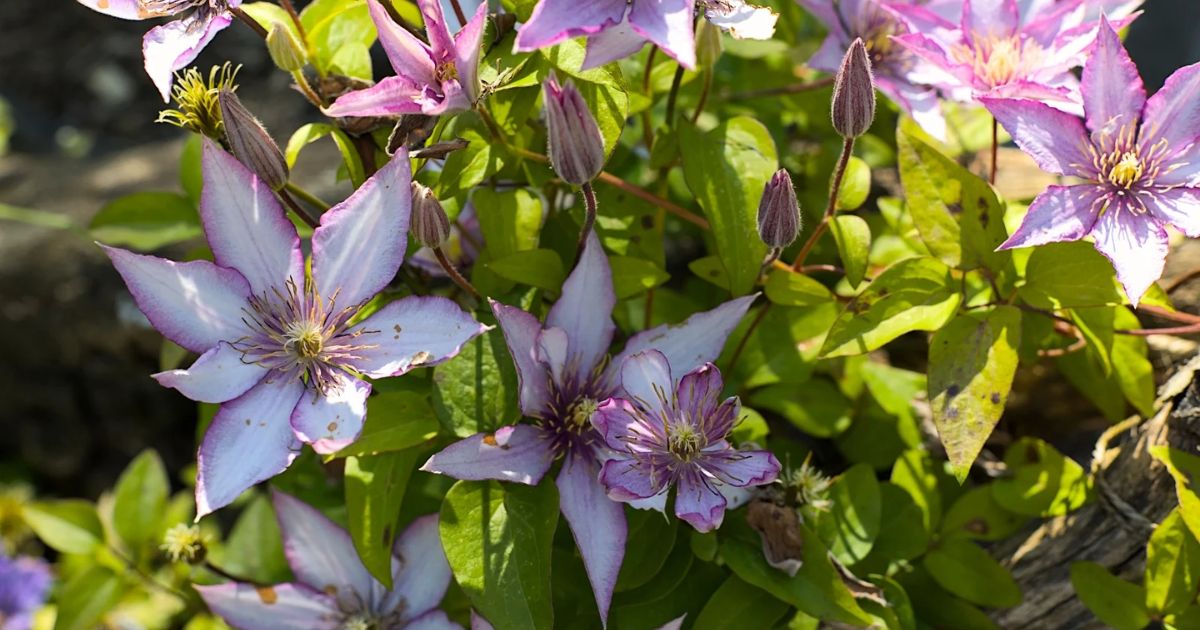
By providing careful, consistent care after an infection, your clematis can fully recover and produce healthy stems, leaves, and blooms. With proper attention, it can thrive for many seasons to come.
Conclusion
Clematis wilt can be alarming for any gardener, but with early detection, proper treatment, and preventive care, your clematis can recover and continue to thrive. By pruning affected stems, disinfecting tools, managing Watering, and supporting new growth, you can save your plant from further damage.
Preventive measures such as choosing resistant varieties, ensuring good air circulation, maintaining well-draining soil, and regular inspection. The risk of future infections can be significantly reduced. Remember, clematis plants are resilient with consistent care and attention; they will reward you with vibrant blooms season after season.Taking swift action and following proper care routines ensures that clematis wilt does not spell the end for your beloved garden climbers.
FAQ
Can my clematis fully recover from wilt?
Yes, clematis can recover if action is taken quickly. Prune affected stems and care for healthy shoots; the plant often regrows from the base.
How long does it take for new growth to appear after pruning wilted stems?
New shoots usually appear within a few weeks, depending on the cultivar, over the growth season and environmental conditions.
Are some clematis varieties more resistant to wilt?
Yes, certain large-flowered and small-flowered clematis varieties are more resistant. Ask your nursery or check labels for disease-resistant types.
Should I compost wilted stems?
No, do not compost wilted stems, as the fungal spores can survive and infect other plants. Dispose of them safely away from your garden.
Can fungicides prevent clematis wilt?
Fungicides can help control severe infections, but are not always necessary if proper cultural practices are followed. Focus on pruning, sanitation, and good watering practices for effective prevention.
How can I prevent clematis wilt in future plantings?
Plant resistant varieties, ensure proper spacing for air circulation, maintain well-draining soil, mulch appropriately, and regularly inspect plants for early signs of infection.