

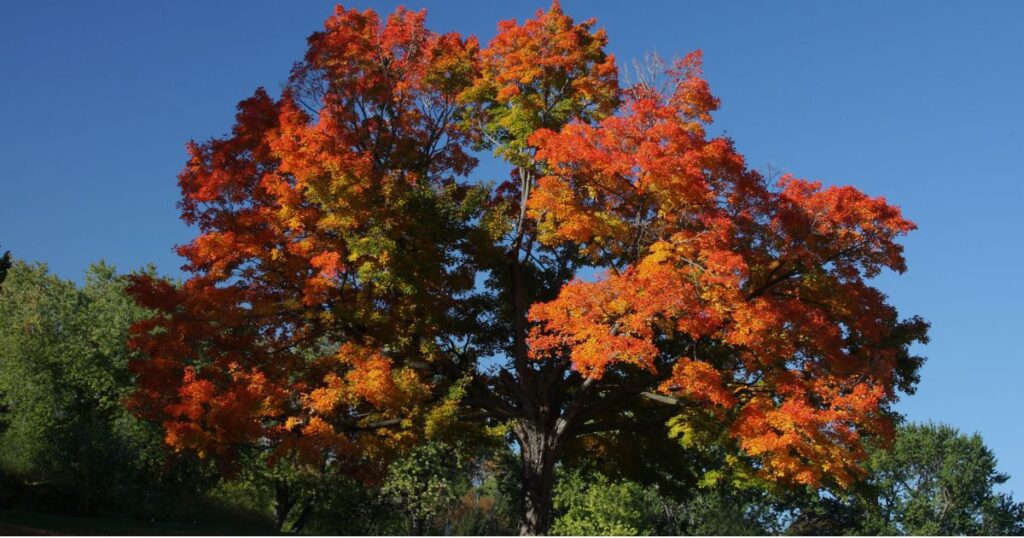

Maple trees are the unsung heroes of many landscapes. With their graceful branches, star-shaped leaves, and that breathtaking autumn blaze of reds, oranges, and yellows, they provide shade, beauty, and even a touch of whimsy with their helicopter seeds. Whether it’s the sturdy sugar maple in a backyard orchard or the delicate Japanese maple gracing a zen garden, these trees are beloved fixtures. But like any living thing, maples aren’t invincible. They are susceptible to numerous illnesses that turn their vibrant foliage into a patchwork of spots, wilts, and scorches.
As a homeowner or gardener who’s ever stared at a suspiciously droopy branch, you know the frustration. “Is it just a bad season, or is something sinister at work?” The good news? Most maple diseases are manageable with early detection and simple care. In this guide, we’ll dive into the most common culprits affecting maple trees, complete with vivid descriptions of their telltale signs. Think of it as a visual field guide to help you play detective in your own yard. We’ll cover symptoms, causes, treatments, and prevention tips, drawing from expert insights to keep your maples thriving.By the end, you’ll be equipped to spot trouble before it spreads, ensuring those fiery fall displays light up your world for years to come. pictures of maple tree diseases Let’s leave it to the experts (and a bit of science) to unpack the mysteries.
Why Do Maple Trees Get Sick?
Before we zoom in on specific diseases, a quick primer: Maple diseases are often fungal, bacterial, or environmental in origin. Fungi thrive in damp, cool conditions; bacteria love stressed trees; and abiotic factors like drought mimic infections. Poor soil drainage, overwatering, compacted roots from construction, or even winter injury can weaken a tree’s defenses, inviting pathogens in.
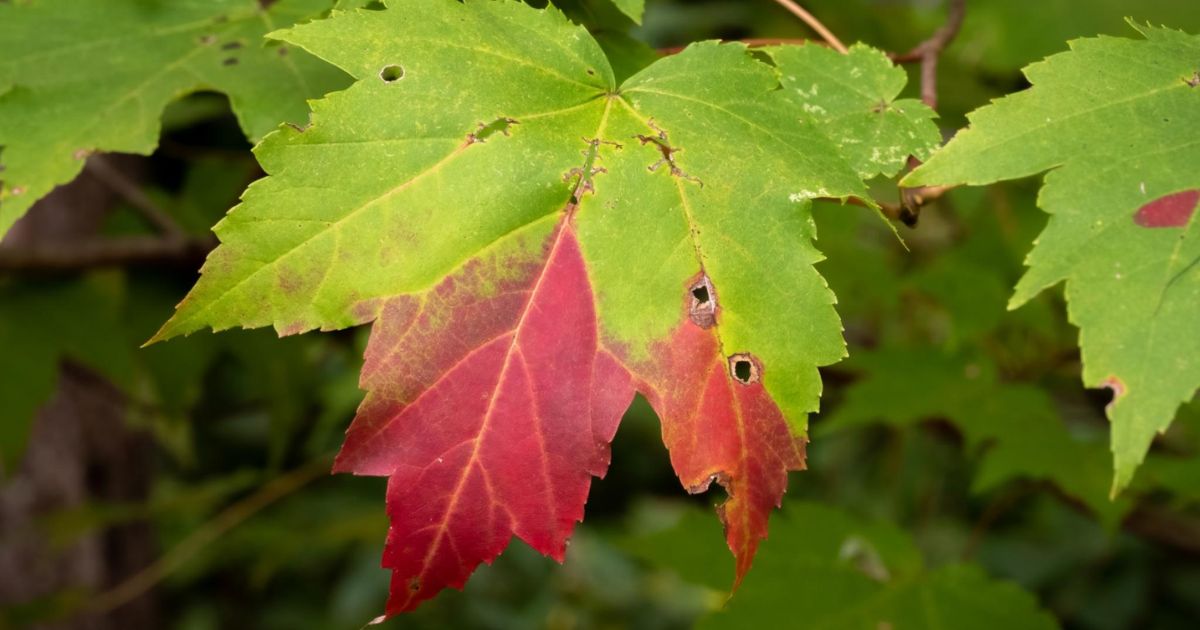
Maples aren’t picky eaters; they grow in a wide range of soils, but they’re sensitive souls. Species like silver and red maples are tough urban dwellers, while sugar maples prefer well-drained, slightly acidic spots, and Japanese maples demand dappled shade to avoid scorch. Stress from any corner (hello, road salt in northern climates) lowers their resistance. The key? Vigilance. Regular inspections, especially in spring and fall, can catch issues early.
Anthracnose: The Vein-Stalking Fungal Foe
Anthracnose is like that uninvited guest who crashes your spring party and overstays into summer. Caused by fungi like Aureobasidium apocryptum or Discula species, it hits hardest after cool, wet winters, when spores splash onto emerging leaves. It’s common on red, sugar, silver, and Japanese maples, 7 Tips for Tree Disease Black Spots Leaves turning lush greenery into a tattered mess.
The Picture: Imagine leaves with irregular, V-shaped brown or purplish-brown lesions hugging the veins like someone took a burnt-edge cookie cutter to your foliage. Spots start small and water-soaked, then expand into dead patches, often at leaf tips or edges. Twigs might blacken and die back, and in bad cases, you’ll see “witches’ brooms” clusters of spindly shoots on deformed branches. Early leaves may shrivel and drop prematurely, leaving your tree looking prematurely autumnal. On Japanese maples, it can cause curled, blighted leaves with tan blotches.
Causes: Spores overwinter in fallen leaves and bark, then hitch a ride on rain splashes. Stressed trees (due to drought or poor pruning) are prime targets.
Treatment: For mild cases, rake and destroy infected leaves to starve the fungus; no composting! Prune dead twigs in dry weather with sterilized tools. Fungicides like chlorothalonil can help severe outbreaks if applied at bud break, but they’re rarely needed for established trees. Water at the base to keep foliage dry.
Prevention: Plant resistant varieties like ‘Autumn Flame’ redmaple leaf spots. Mulch to retain moisture, fertilize sparingly in spring, and ensure good air circulation with proper spacing.Anthracnose is more cosmetic than catastrophic. Your tree will likely bounce back next year. But ignore it, and repeated infections weaken the whole system.
Tar Spot: The Black Blotch Bandit
If anthracnose is subtle sabotage, tar spot is the bold graffiti artist of maple maladies. This fungal drama, courtesy of Rhytisma acerinum or R. punctatum, loves silver and red maples most, but all species can suffer. It peaks in wet springs, creating a spectacle that’s ugly but rarely deadly.
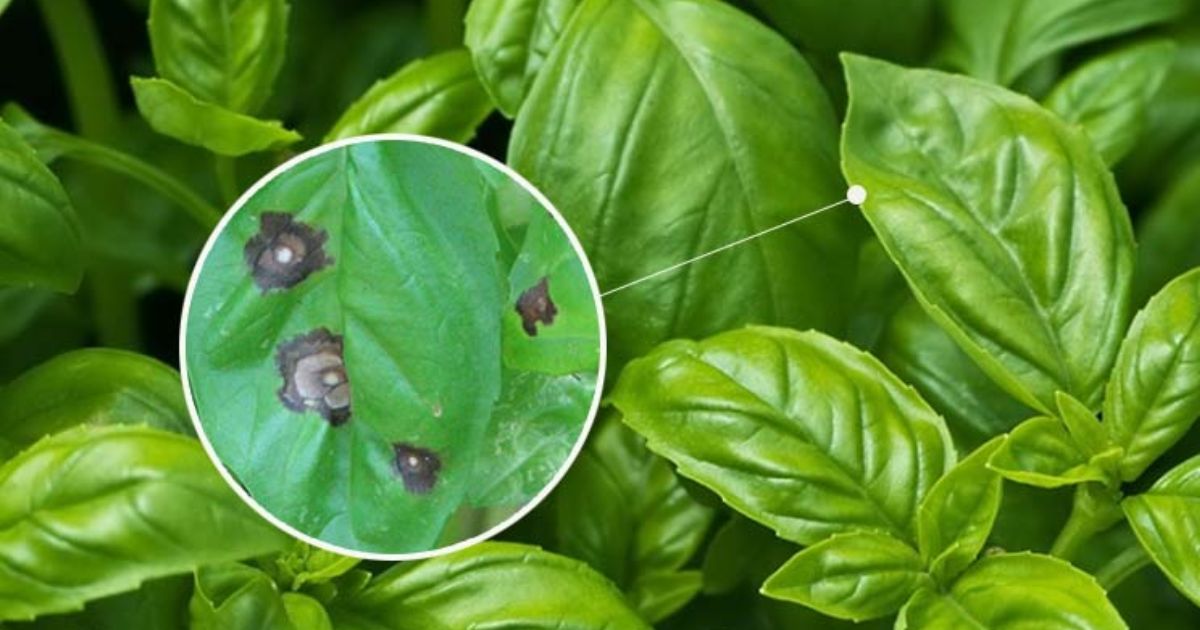
The Picture: Picture-perfect yellow-green spots on upper leaves in early summer, morphing into shiny, black, tar-like blobs by fall up to half an inch across, raised like sticky raisins. Multiple spots per leaf lead to yellowing and early drop, but the tree’s skeleton stays strong. Close-up, those “tar” spots are fungal fruiting bodies, Grape Vine Disease Identification with Pictures Common Problems dormant until next season. It’s so distinctive, you’ll swear it’s paint splatter.
Causes: Spores from last year’s dropped leaves infect new growth during rainy spells. Poor drainage exacerbates it.
Treatment: No cure is needed; it’s purely aesthetic. Rake leaves religiously and destroy them. For heavy infections, a late-summer fungicide might curb spores, but pros say skip it for healthy trees.
Prevention: Boost vigor with deep watering during dry spells and balanced fertilizer. Avoid overhead irrigation. In high-risk areas, opt for less-susceptible Norway maples.
Tar spot won’t kill your maple tree fungus, but it’ll test your patience during cleanup. Think of it as nature’s abstract art, annoying but harmless.
Verticillium Wilt: The Silent Killer from Below
Now we’re talking serious business. verticillium wilt maple wilt, caused by soil-borne Verticillium dahliae or V. albo-atrum, is the grim reaper of maples, especially sugar, red, and Norway varieties. 5 Essential Tips for Japanese Maple Leaf Scorch Treatment It clogs the vascular system, starving branches of water and nutrients.
The Picture: One-sided decline is the hallmark; half the tree wilts while the other thrives, with leaves turning yellow, then scorched-brown at the edges, hanging limp like sad flags. Branches die back from tips, and cross-sections reveal olive-brown streaks in the wood. In advanced stages, the whole canopy thins, and sapwood discolors in rings. It’s sneaky, often mimicking drought.
Causes: Enters via wounded roots in infested soil, ordinary in old gardens or near veggies like potatoes (fellow victims). Stressed trees succumb fastest.
Treatment: No fungicide works once inside. Prune affected branches 4-6 inches below symptoms, sterilize tools, and water deeply to aid recovery. Severe cases? Remove and destroy the tree to protect neighbors, don’t replant maples there. Soil solarization (plastic covering in summer) might reduce spore levels.
Prevention: Choose resistant species, such as green ash or elms, What Are the Best Practices Caring for An Acer Tree for replacements. Avoid root damage from digging or compaction. Test the soil if history suggests infection.
This one’s a heartbreaker. Trees can linger for years before the end. Early action saves the canopy, but it’s often a one-way ticket.
Leaf Spot Diseases: The Speckled Assortment
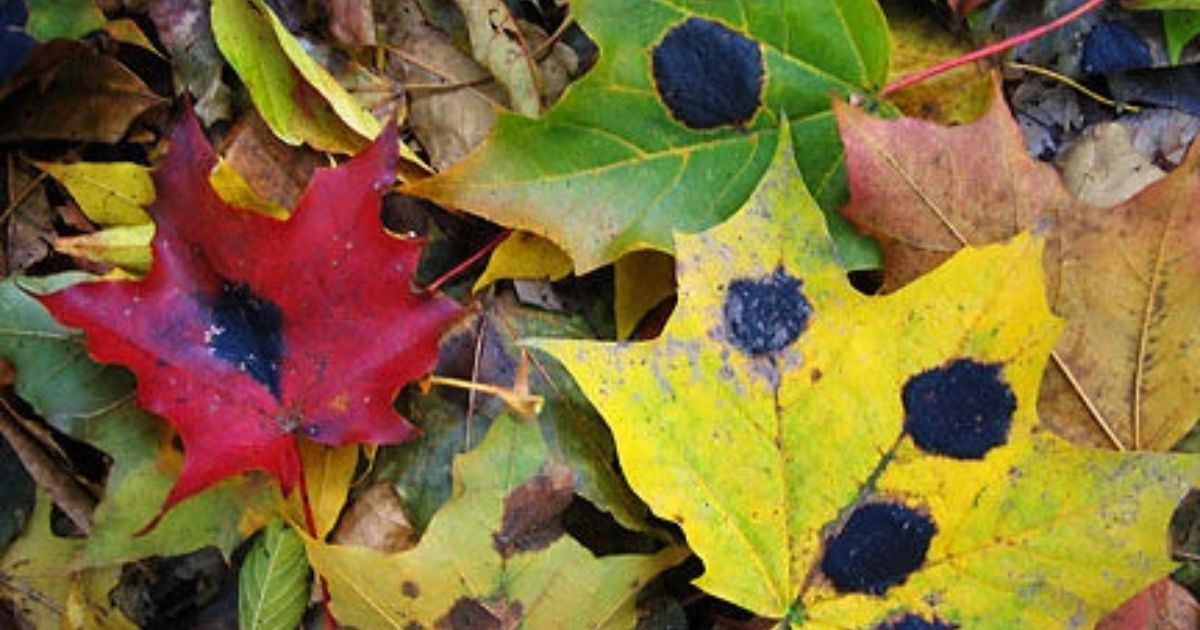
Not all spots are created equal. A smorgasbord of fungi (Phyllosticta, Septoria, and Alternaria) causes leaf spots, hitting all maples mid-summer. They’re the confetti of tree troubles, colorful but fleeting.
The Picture: Small (1/4-inch) round or angular spots: purple-bordered tan for Phyllosticta (“purple-eyed leaf spot”), black-dotted brown for Septoria, or yellow-haloed black for others. Leaves yellow, curl, and drop early, but branches stay hale. Think polka-dot leaves in a bad way.
Causes: Wet foliage and crowded canopies facilitate spore spread.
Treatment: Cultural only rake debris, What Causes White Spots on Tomato Leaves prune for airflow. Fungicides for nurseries, not backyards.
Prevention: Water at base, space trees 20-30 feet apart. Resistant cultivars like ‘Tilford’ red maple help.
These are low-drama; your tree will re-leaf vigorously next spring.
Powdery Mildew: The Ghostly Coating
Late-summer sneak attack: Powdery mildew (Uncinula or Sawadaea species) dusts leaves like confectioner’s sugar. Japanese and Norway maples are favorites.
The Picture: White, powdery patches on leaf undersides, turning yellow or black. Leaves pucker, drop early, but no real harm. It’s ethereal until it isn’t.
Causes: High humidity, poor air flow.
Treatment: Improve circulation; sulfur fungicides if persistent.
Prevention: Shade cloth for young trees; avoid excess nitrogen.
Cosmetic curse, your maple’s dignity remains intact.
Bacterial Leaf Scorch: The Heatwave Impostor
Bacterial leaf scorch (Xylella fastidiosa) mimics drought but stems from bacteria vectored by leafhoppers. Red and sugar maples suffer most.
The Picture: Marginal browning with yellow halos, progressing inward like flame edges. Shoestring-like dead streaks on branches; systemic over the years.
Causes: Insects spread in hot, humid summers.
Treatment: Antibiotics injected by pros; prune and monitor.
Prevention: Insect control, resistant rootstocks.
Slow but steady decline, act fast.
Root Rot: The Underground Saboteur
Armillaria or Phytophthora fungi drown roots in soggy soil.
The Picture: Wilting canopy, mushrooms at base, “bleeding” cankers on trunk.
Causes: Poor drainage.
Treatment: Improve soil; fungicides limited.
Prevention: Raised beds, well-drained sites.
Often, fatal prevention is key.
Other Notables: Sapstreak, Lichen, and Scorch
- Sapstreak: Sugar maple notable brown streaks in sapwood, star-shaped stains on stumps. Remove infected trees.
- Lichen: Gray-green patches on bark are not parasitic, just opportunistic on stressed trees. Ignore or gently brush off.
- Physiological Scorch: Brown leaf edges from drought or salt, no pathogen, just TLC needed.
Prevention: Your Maple’s Best Defense

The best offense? A healthy tree. Water deeply but infrequently (1 inch/week), mulch 2-3 inches deep (not touching the trunk), and fertilize with a balanced fertilizer in spring. To keep the structure open, prune in late winter. Scout weekly: droop? Spot? Call an arborist via ISA.org. Soil tests reveal pH woes; aerate compacted lawns.
Plant smart: Match species to site silver for wet spots, sugar for uplands. Diverse landscapes buffer outbreaks.
Conclusion
Maple trees are stunning additions to any landscape, but like all plants, they can fall victim to various diseases. By learning to recognize the early signs from tar spots to wilted leaves, you can take quick action to prevent severe damage. Regular pruning, proper watering, and good soil care go a long way in keeping your maple healthy and disease-free.
Recall that the secret to saving your tree is early discovery. maple tree disease identification Keep an eye on changes in leaves and bark, and don’t hesitate to consult a tree care professional if symptoms persist. With consistent care and attention, your maple tree will flourish and bring beauty to your home.
FAQ
What are the most common diseases that affect maple trees?
The most common maple tree diseases include tar spot, anthracnose, verticillium wilt, powdery mildew, leaf scorch, and maple leaf blister. Each has distinct symptoms, but all can weaken your tree if left untreated.
Can a maple tree recover from verticillium wilt?
Unfortunately, verticillium wilt has no complete cure. However, you can help the tree survive by removing infected branches, improving soil health, and watering deeply but infrequently to reduce root stress.
How can I tell if my maple tree has tar spot?
Tar spot appears as small yellow spots that turn into raised black dots on the leaves, resembling splattered tar. It’s mostly a cosmetic issue, but it can lead to heavy leaf drop if left untreated.
Is it safe to use fungicides on maple trees?
Yes, you can use fungicides specifically labeled for trees to control fungal infections. Always follow the product’s instructions and apply during calm, dry weather to ensure effectiveness.
How can I prevent maple tree diseases naturally?
Keep your maple tree healthy with good air circulation, well-draining soil, and regular pruning. Avoid overhead watering, remove fallen leaves in autumn, and use organic mulch to shield roots and hold onto soil moisture.